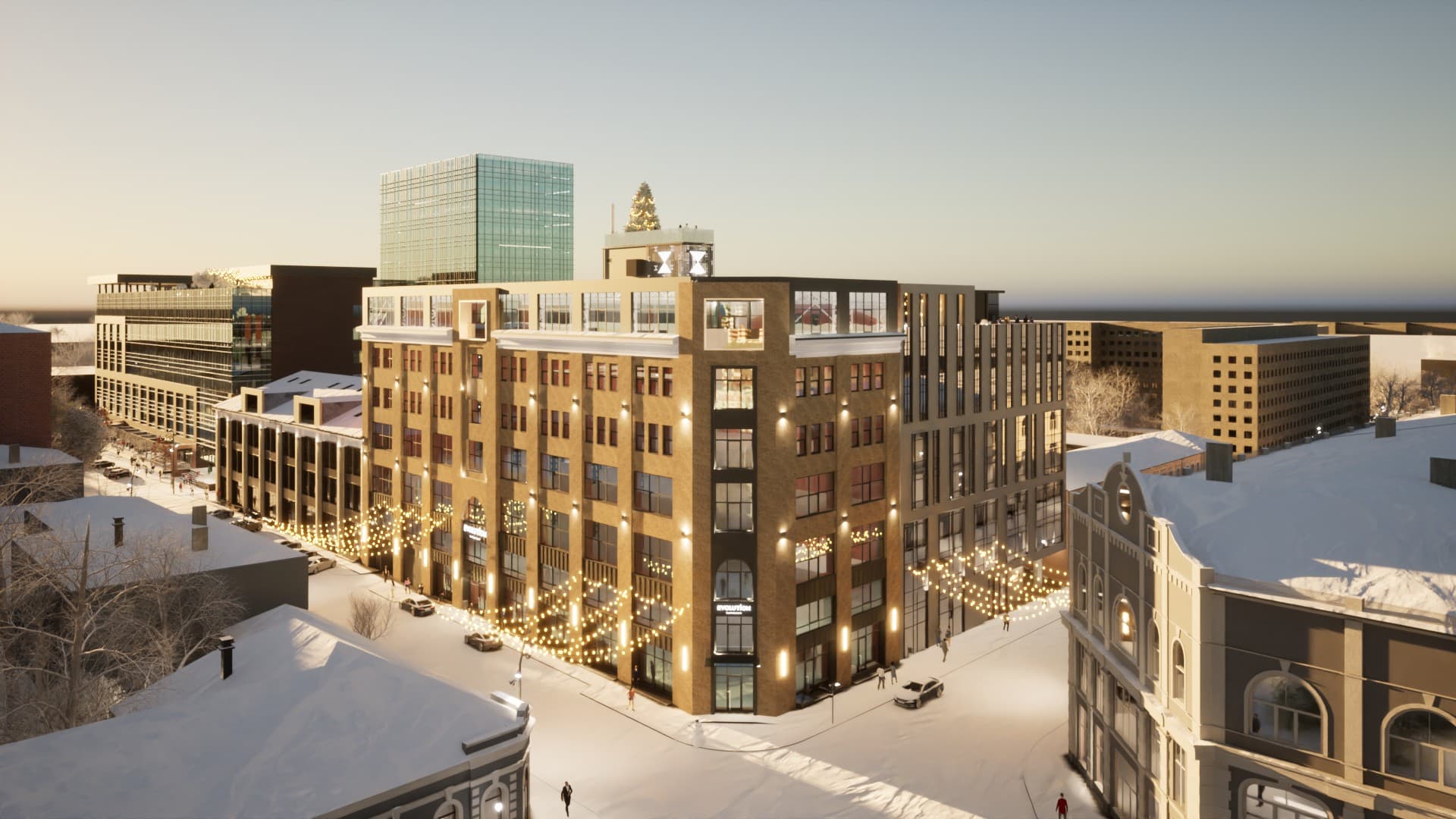
When, in addition to the thrill of a hot air balloon ride, air tourists also go on sightseeing tours of the city from a bird's-eye view. During ascent in this location, the central part of the city is revealed very clearly, and one can study the entire path of Kharkiv's formation and transformation at all stages of its historical development. And with an experienced and interesting guide on board, and in good weather – it will be doubly interesting and captivating.
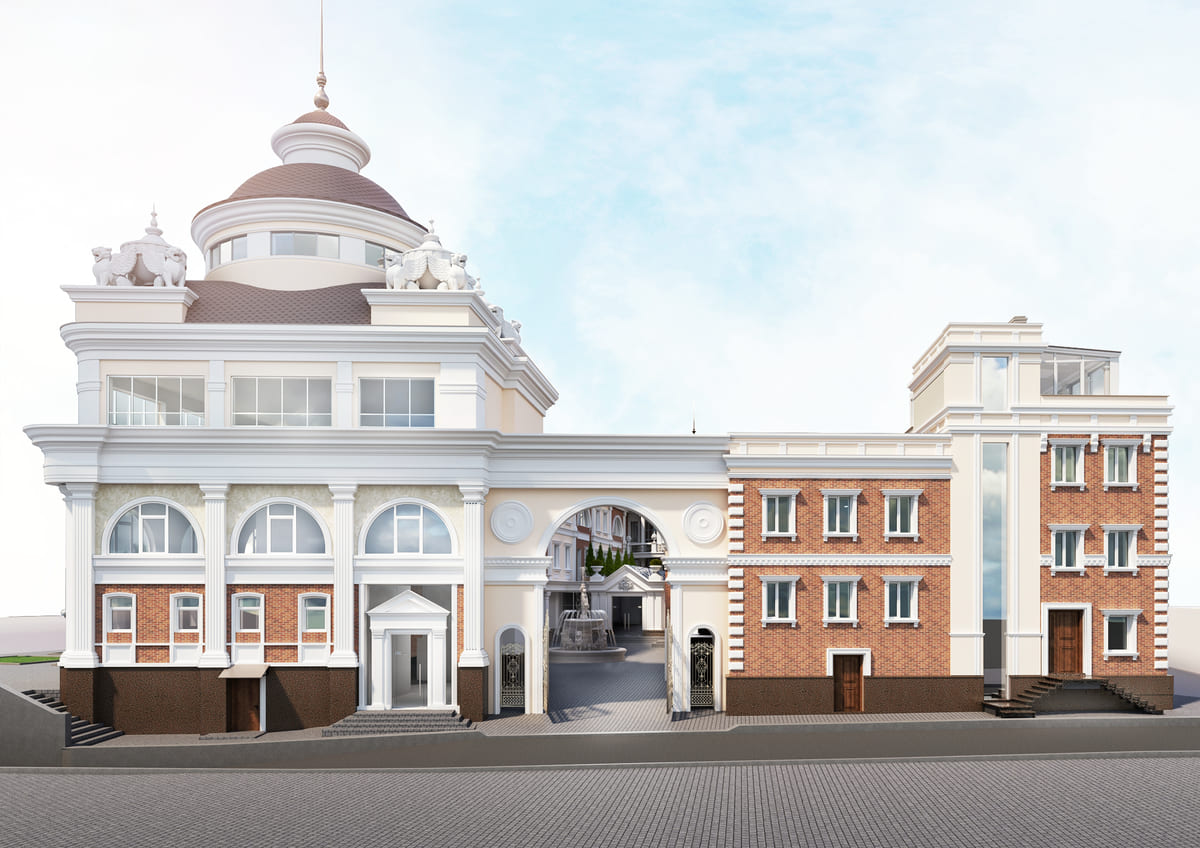
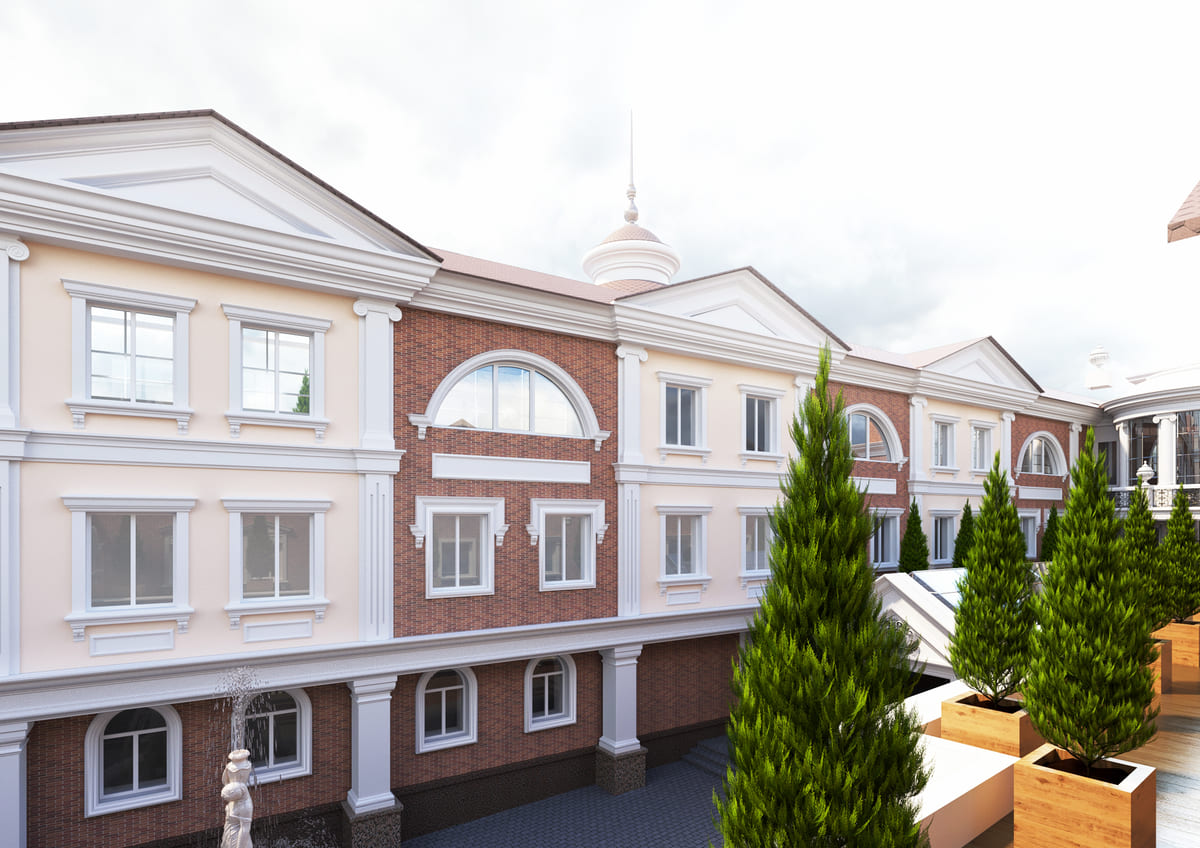
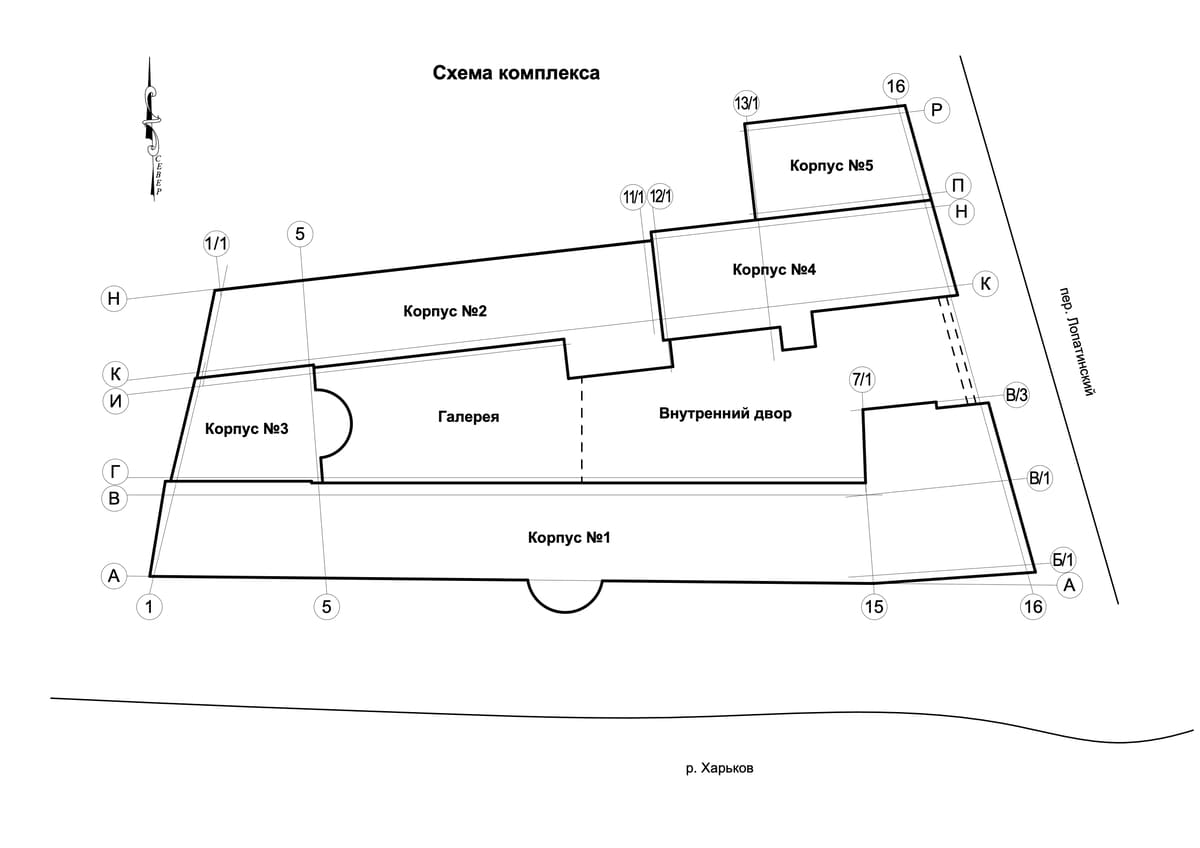
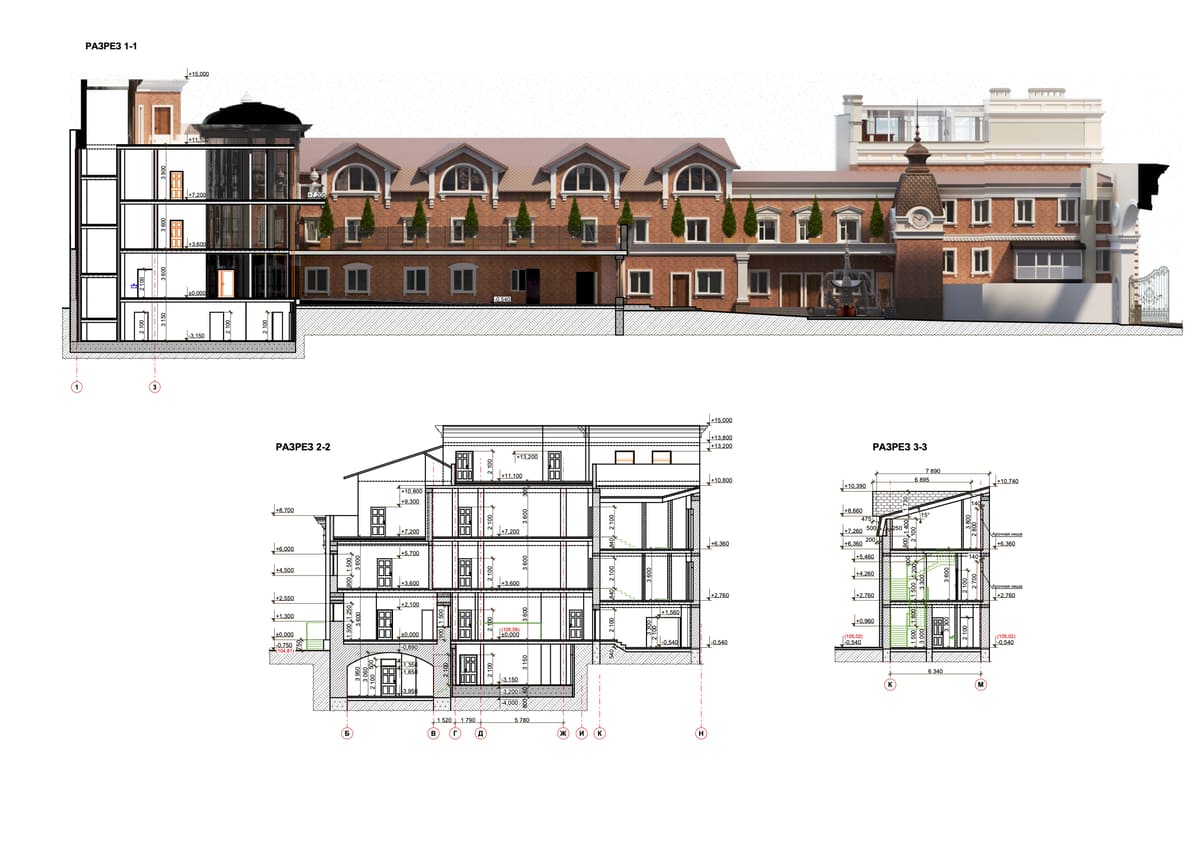
The planning structure of the complex is formed by buildings from different construction periods and is a complex organism of intricate configuration. Three buildings were intended for the SPA complex and hotel rooms, while two with a river view were intended for restaurants, offices, exhibition spaces, conference rooms, and a usable roof with a scenic observation deck.
Working with buildings tightly integrated into an existing, established urban fabric is a very complex undertaking. This is because the task of understanding the volumetric and spatial structure of such objects, and more importantly, translating the initial data into the language of design solutions, sometimes resembles a quest, both at the stage of measurements and the creation of project documentation, and during the construction process. The development of this site dates back to the 18th century. Such objects (consisting of separate fragments, often unrelated and built in different periods) evoke feelings similar to those of a sapper – you never know what awaits you next. However, with determination and sufficient experience, everything can be overcome!